Persistent odor following a biohazard event at a Kingston property — decomposition, sewage, trauma, hoarding — is caused by volatile biogenic amines (cadaverine, putrescine), hydrogen sulfide, and other volatile organic compounds that penetrate HVAC systems, wall cavities, and porous building materials. Consumer products don't reach these compounds. Hydroxyl generators and targeted source treatment do.
📞 Call +1-844-401-0166 — Source First ProtocolBiohazard odor from decomposition, trauma, sewage, or hoarding at a Kingston property isn't removed by spraying something — it's removed by identifying and treating the VOC source. These four standards define how we approach every job.
Treating biohazard odor at a Kingston property without finding the source is how you get temporary reduction followed by complete return. Our crews conduct a systematic source search — floor access panels, wall cavities, HVAC components, subfloor areas — before selecting a treatment approach.
Hydroxyl radicals break down volatile organic compounds through oxidative chemistry — the same process that happens in the upper atmosphere. At a Kingston property, hydroxyl generators run in the occupied area, breaking down biogenic amines and other odor compounds without the secondary ozone smell or the occupant evacuation requirement.
HVAC treatment is included in the scope of every Kingston biohazard odor job where the event type indicates air handling system involvement. Decomposition, sewage, hoarding, and fire damage odor all penetrate ductwork. Our crews treat the full HVAC system, not just the visible surfaces, as part of the documented odor removal scope.
Every Kingston odor removal job closes with a documented scope and a service guarantee: if the identified odor returns within the guarantee period, we return and extend treatment at no additional charge. The guarantee is backed by a documented source identification record — so there's an objective basis for any return visit.
Different biohazard odor types at Kingston properties have different VOC profiles, different penetration depths, and different treatment approaches. We address each category with the specific protocol it requires.
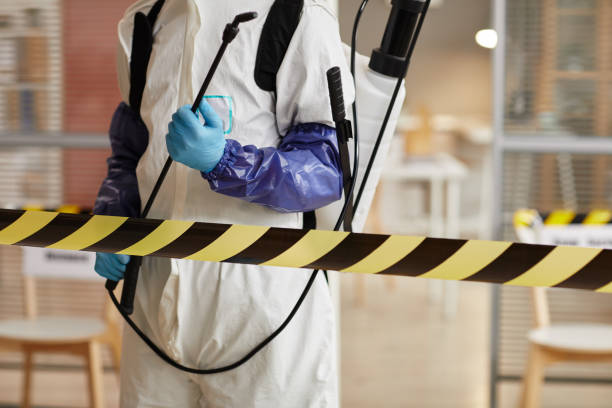
Decomposition odor at a Kingston property requires source identification first — residual biological material in subfloor areas or wall cavities continues releasing VOCs until the source is removed. After source treatment, hydroxyl generators neutralize the VOCs that have already penetrated surrounding structural materials.
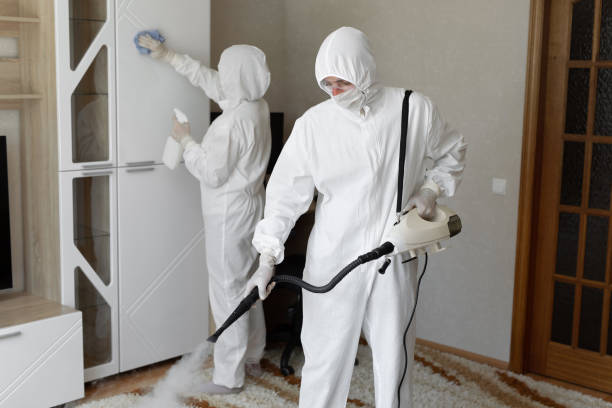
Residual odor after trauma scene cleanup at a Kingston property indicates VOC penetration into structural materials beyond the physical decontamination zone. Hydroxyl generators running in the affected area after physical cleanup neutralize these embedded compounds — completing the elimination process that surface cleaning alone can't achieve.
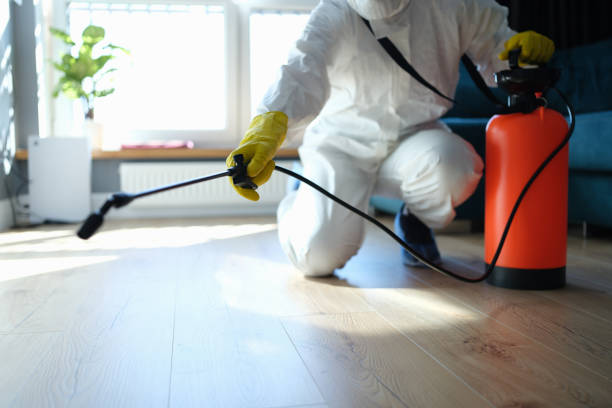
Sewage odor persisting after extraction and surface cleaning at a Kingston property typically indicates hydrogen sulfide and mercaptan compounds embedded in HVAC ductwork and wall cavity insulation. Hydroxyl generators address these compounds in the air column while targeted HVAC treatment addresses the duct-embedded source.
Hoarding environments at Kingston properties accumulate multiple odor sources simultaneously — animal waste, decaying organic material, mold, and years of embedded VOCs in wall materials and HVAC insulation. Post-remediation odor treatment requires sequenced hydroxyl treatment across multiple rooms plus HVAC system treatment to address the layered contamination profile.
Mold-origin musty odor at Kingston properties is produced by microbial volatile organic compounds (MVOCs) released by active mold growth — and those compounds persist in building materials even after mold remediation is complete. Hydroxyl treatment neutralizes residual MVOCs, while source identification confirms whether active mold growth requires additional remediation.
For vacant Kingston properties requiring rapid odor neutralization — between tenants, in preparation for sale, or during renovation — ozone shock treatment delivers faster results than hydroxyl generation by deploying significantly higher oxidant concentrations. Our crews assess which technology is appropriate for your specific situation and timeline.
Find the source, address the source, neutralize embedded VOCs, verify elimination. Every Kingston biohazard odor job follows this sequence — not spray, hope, and bill.
Call +1-844-401-0166. Our coordinator classifies the odor type at intake — decomposition, sewage, trauma, hoarding, mold — which determines the equipment and treatment approach dispatched to your Kingston property. Different VOC profiles require different treatment sequences.
Arriving crew conducts systematic source identification at your Kingston property — floor access panels, wall cavities, HVAC system inspection, and subfloor assessment where indicated. The written flat-rate estimate is built from the source identification findings — treatment scope matches the actual source, not a guess.
Source treatment addresses physical residual material where identified — residual biological material, contaminated HVAC insulation, embedded organic waste. Hydroxyl generators then run in affected areas to neutralize VOCs embedded in surrounding structural materials. HVAC treatment is applied where indicated by source assessment at your Kingston property.
After treatment, we verify odor elimination before closing the job at your Kingston property. A service guarantee period applies — if the documented odor type returns within the guarantee window, we return and extend treatment at no additional charge. You receive the source identification record and treatment documentation.
"Three other companies sprayed their odor neutralizers and the smell came back within two days each time. Crime Scene Cleaner Online found residual biological material trapped under the floor access panel — something no one else had looked for — removed it, ran the hydroxyl generators for 18 hours, and the odor has been completely gone for three months. The source matters."
Diane F. — Kingston, IL"The sewage odor in our rental unit had persisted for weeks after the water extraction company finished. Crime Scene Cleaner Online identified that the HVAC return duct had been directly affected during the backup event and was continuing to release hydrogen sulfide compounds every time the system ran. HVAC treatment plus hydroxyl generators — odor gone completely."
Property Manager, Kingston — Kingston, IL"Post-remediation odor from a trauma scene had persisted despite our cleanup. Crime Scene Cleaner Online's source inspection found residual VOCs in the wall cavity on the adjacent side — something visible inspection wouldn't catch. Hydroxyl generators ran for 24 hours after targeted source treatment. The guarantee they provide backed the claim they made — and it held."
A. Okafor — Kingston, ILOur biohazard odor removal service covers Kingston and every surrounding community in IL. Residential homes, rental properties, commercial facilities — same source-first protocol, same hydroxyl generator technology, same service guarantee across all property types in Kingston, IL.
Persistent biohazard odor at a Kingston property won't resolve on its own. Call +1-844-401-0166 and describe the odor type. Our coordinator classifies the VOC source and dispatches the right equipment for your specific scenario.
📞 Call +1-844-401-0166 — Source Identification Begins Here